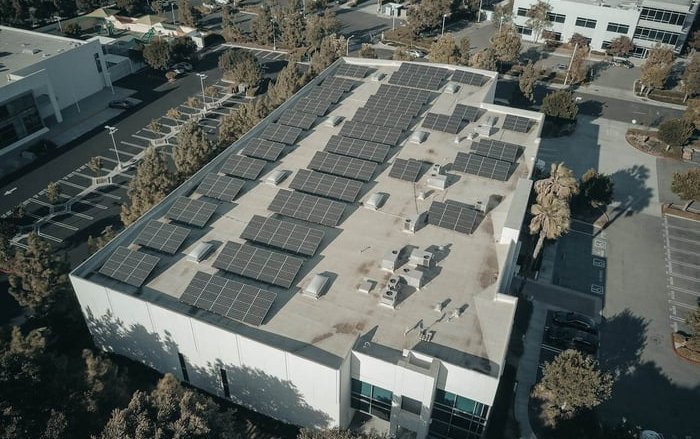
According to the U.S. Bureau of Labor Statistics, electricity prices rose 13.7% in June 2022, the largest annual increase since April 2006. Such increases can lead homeowners to decide how to cut down on electricity bills, and investing in solar panels may be the solution. Of course, utilizing solar power has plenty of benefits, but as a homeowner, determining if solar panels fit your situation is something to consider.
What Are Solar Panels?
Solar Panels (AKA Photovoltaics) contain cells that are usually composed of silicon material. The solar cells harness energy from the sun in the form of direct current (DC) which is then converted into alternate current (AC) electricity with an inverter. A concern with solar panels is that they require a solar battery in order to store excess energy absorbed during the day to be used at night. Some solar companies supply batteries with the cost of installation. If homeowners opt out of purchasing a solar battery, it is recommended that they are connected to an electricity grid in order to receive electricity during the night or when sunlight exposure is limited.
Homeowner’s Determinants When Deciding To Go Solar
When deciding to go solar, there are a few factors to determine if it is the best decision for your home. Location is important. For example, it is ideal to install your solar panels on roofs facing south, preferably southwest since this angle absorbs the majority of the sunlight throughout the day. Another concern are obstructions that may block the solar panels from generating energy. This could include another building, or a tree perhaps, which will significantly reduce the amount of energy produced by the solar panels. To determine if installing the panels will be beneficial for your home, you can go to a handy website made by Google called Project Sunroof, where you can search for your address and spectate satellite images of your home as it will highlight sections where solar panels can be installed on your roof. Although Project Sunroof’s data may approve of your roof, it goes without saying that inspecting the physical quality of your roof prior to installation is a vital part of the process.
Are Solar Panels Worth It?
If you live in an area where your utility bills are high, going solar may be a good fit for you. According to the U.S. Energy Information Administration, the average annual electricity consumption for a U.S. residential utility customer was 10,632 kWh in 2021.
This is about 886 kWh per month. If you were to purchase a 6 kW solar system, you can produce 792 kWh per month in the city of Los Angeles. Energy production varies depending on the sunlight exposure in the state you live in. Here is a list of states that receive the most sunlight exposure. Since January 2022, the average cost of solar in the U.S. has been $2.77 per watt. Multiplying $2.77 with a 6 kW system (6000-watts) equals $16,620. However, with the passage of the Inflation Reduction Act, an investment tax credit of 30% can reduce the cost of your solar system to $11,634.
Experts will tell you that it will take about a decade to break even with the cost of installing your solar system. You will be making savings every year while supporting the planet’s fight against climate change, but the upfront cost of going solar can be expensive. If you do decide to sell your property within the next 10-15 years, you will be happy to hear that solar panels increase the chances of selling your home 4.1%, which may be an even higher percentage since about 80% of home buyers believe energy-efficient features are important, according to the Zillow Group Consumer Housing Trends Report.
Solar Energy Advantages
Policies and incentives that make going solar even more beneficial is highly specific to the state you live in. On the Database of State Incentives for Renewables & Efficiency (DSIRE), you can check for policies in your state that include grants, rebates, and tax incentives for going solar. California has over 100 different policies and incentives, from home to commercial. States such as Kansas only have about 12, so it is important to check on the advantages you may have when it comes to solar power! In the meantime, you can also receive credit in some states through an incentive called net metering by transmitting the excess electricity generated from your solar panels back to the grid. These credits are then applied to your utility bill for the periods of time that your solar panels are not producing any electricity.
Synopsis - Are Solar Panels Worth The Investment
Yes. Homeowners can combat the rising cost of electricity by going solar. Federal, state, and local incentives can offset the cost of your solar system, but it is highly important to make sure your location receives enough sunlight exposure before purchasing. There are plenty of ways to pay for your installation – through leasing, borrowing a loan, or a power purchase agreement. Find out if purchasing solar panels is the right fit for you! Here are our top picks for homeowners, SunPower and EnergySage.
Want more solar insights for nonprofits?
Get the latest updates on solar projects, community impact, and how you can help.