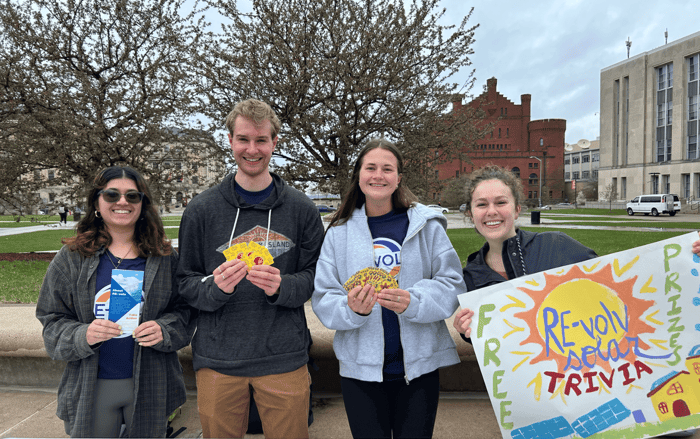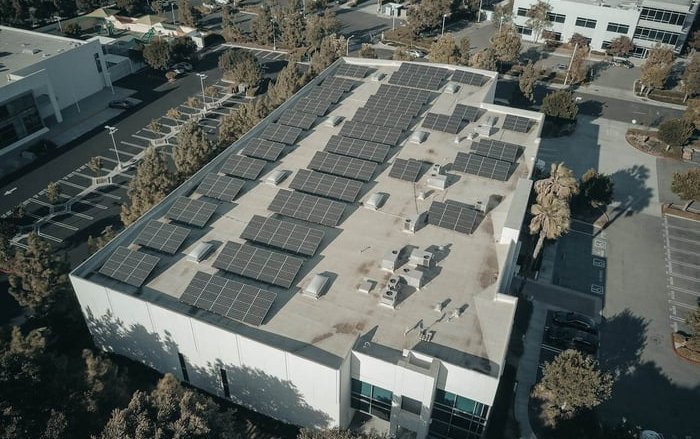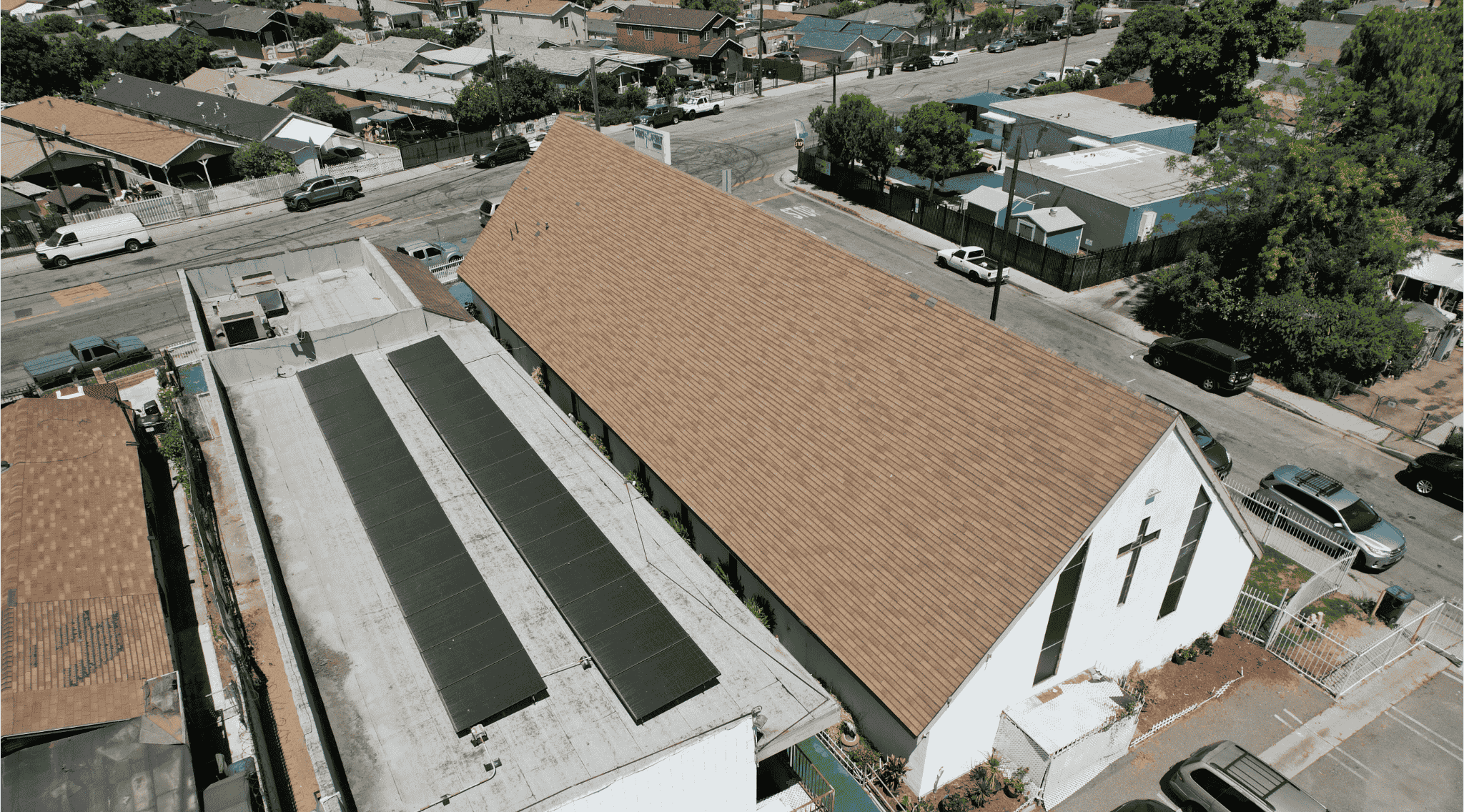
Animal shelters, food banks, healthcare clinics, youth services, recovery programs, immigrant support, environmental groups: whatever community your 501(c)(3) serves, the path to solar is the same. Zero upfront, mission savings, immediate impact. RE-volv's recoverable grant program covers the installation, and the savings flow directly into your programs.
Who this program is for
If your 501(c)(3) serves a community in any way and operates from a building with a roof or adjacent site, you likely qualify. Examples we've worked with or actively support:
- Animal shelters and welfare organizations
- Food banks and food rescue programs
- Healthcare clinics (FQHCs, free clinics, dental nonprofits)
- Youth services (after-school programs, mentoring, sports)
- Recovery and treatment programs
- Immigrant services and ESL programs
- Environmental and conservation nonprofits
- Arts and cultural nonprofits
- Community development corporations
- Housing nonprofits
- Legal aid and access-to-justice organizations
If your nonprofit isn't on this list but serves a community mission, you almost certainly qualify too.
Why community-serving nonprofits should prioritize solar
Three reasons specific to community-serving missions:
1. Energy is one of your largest controllable costs
For most community-serving nonprofits, utility bills are the second or third largest line item after salaries. Cutting energy costs by 15-50% (a typical solar outcome) directly funds program expansion or stability.
2. Mission alignment with climate
Most community-serving nonprofits' beneficiaries are also disproportionately impacted by climate change. Solar visibly demonstrates that your organization's values include climate responsibility, important to donors, foundation funders, and the communities you serve.
3. Long-term financial stability
Solar locks in 25 years of predictable energy costs vs. utility rate increases (~3% per year historically). For a community-serving nonprofit operating on margin, that stability is itself a strategic asset.
Real impact across vertical types
Animal shelters
Animal shelters are typically high-energy facilities (HVAC for animal welfare, refrigeration for food/medication, 24-hour lighting). Solar typically saves 30-50% on energy. Many shelters redirect savings to medical care, vaccinations, or expanded adoption services.
Food banks
Refrigeration is a massive energy cost for food banks. Solar typically saves 40-60% on energy because food bank operations align well with solar production hours. Savings often expand distribution capacity.
Healthcare clinics
Clinics serving low-income or uninsured patients often operate on thin margins. Solar + storage can power critical equipment during outages, in addition to delivering daily savings.
Youth services
After-school programs typically run during peak solar production (3-7pm). Solar savings often translate directly into youth coordinator salaries or program expansion.
How the recoverable grant program works for community nonprofits
The mechanics are the same across vertical types:
- RE-volv covers 100% of upfront installation cost.
- Your nonprofit pays a fixed monthly amount, typically 15-30% lower than your current utility bill.
- Over 15-20 years, payments are recovered and reinvested into the next nonprofit's solar project.
- At end of agreement, you own the system free and clear for the remaining ~10 years of its lifespan.
What varies by vertical: system size, optimal installation timing, specific FAQ concerns, but the financing model is one model.
The application process
- 5-minute application from your ED or operations lead.
- Free assessment sized to your operations.
- Proposal with full economics and timeline.
- Board approval using our prepared documentation.
- Installation coordinated around your operations.
- Operation, bills drop, programs grow.
Frequently asked questions
Is there a minimum size or budget?
Solar economics work best when annual electricity bills are above ~$5,000. Smaller orgs can benefit but the impact is modest. Above $20,000/year, solar typically saves significantly.
What if we share a building?
Building ownership or governance authority over solar decisions is required. Tenants need landlord cooperation, sometimes possible, sometimes not.
What if our roof is old?
If your roof is within 5 years of replacement, replace it before or simultaneously with solar. Solar protects the roof, often extending its life.
Can solar be a fundraising or messaging asset?
Absolutely. Many partners feature their solar prominently in donor communications, foundation reports, and community messaging. We provide shareable materials.
Ready to bring solar to your community-serving nonprofit?
Whatever community you serve, the path to solar is the same. See program details → or apply directly →.
Want more solar insights for nonprofits?
Get the latest updates on solar projects, community impact, and how you can help. No spam.